How to Create a Simple Pet Care Routine That Actually Works
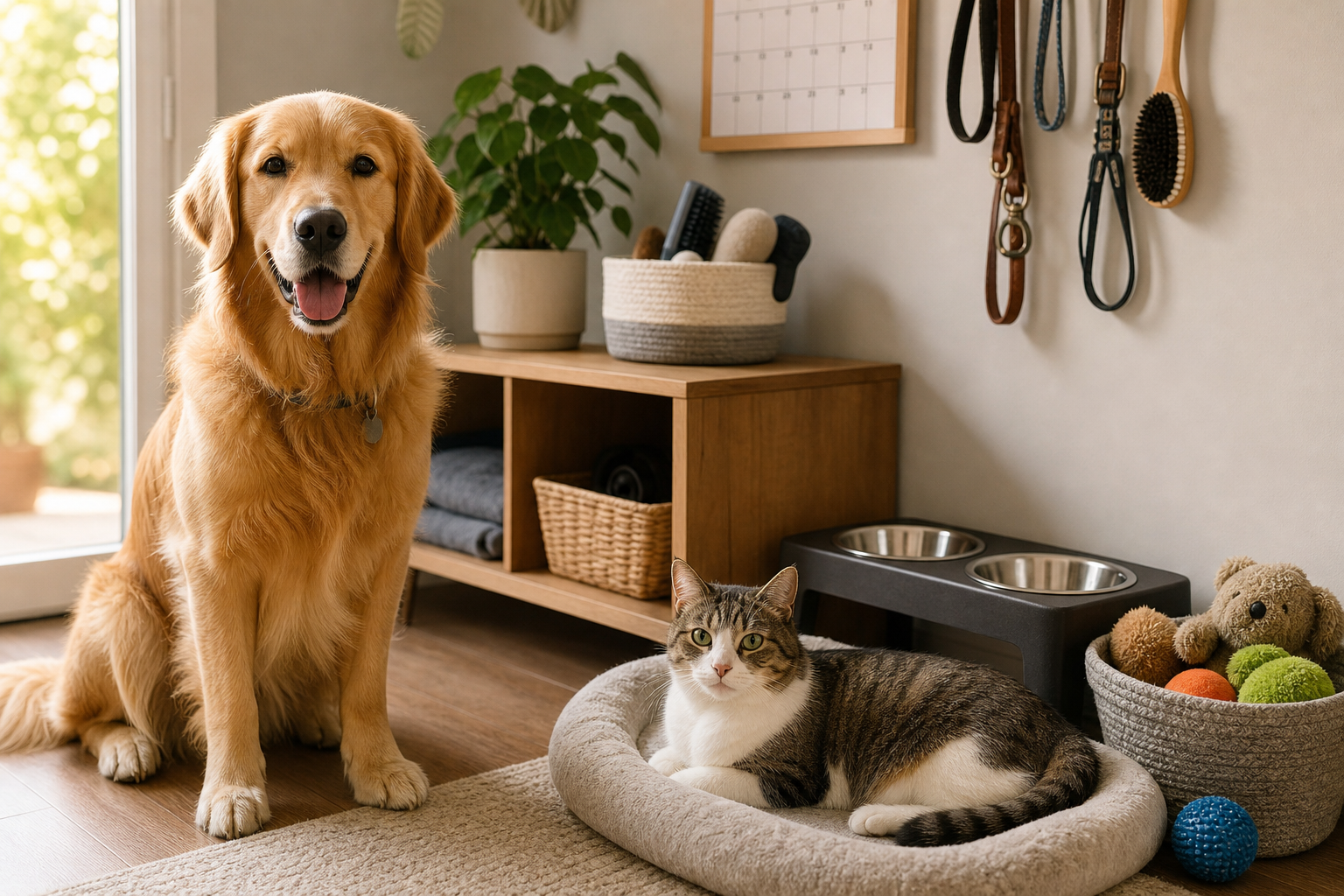
Many pet owners know what they should do for their dog or cat, but daily life often gets in the way. Feeding times shift, grooming gets delayed, exercise becomes inconsistent, and important health dates can be hard to remember. A simple pet care routine helps you stay organized, reduces stress, and supports your pet’s long-term wellbeing.
The good news is that an effective routine does not need to be complicated. The best plan is one you can follow consistently. Whether you live with one cat, an active dog, or several pets with different needs, a clear structure makes responsible pet ownership easier.
Why a routine matters for pets
Dogs and cats both benefit from predictability. Regular care supports physical health, behavior, and emotional security. Pets often feel more settled when meals, walks, play, rest, and grooming happen around the same general times each day.
A routine also helps owners notice changes earlier. If you regularly track appetite, drinking, toilet habits, activity, coat condition, and mood, you are more likely to spot something unusual and contact your veterinarian when needed.
Start with your pet’s basic daily needs
Before building a schedule, list the care tasks your pet needs every day. Keep the list practical and realistic. Most routines should include the following categories.
Food and water
- Feed measured meals at consistent times.
- Provide constant access to fresh water unless your veterinarian has advised otherwise.
- Monitor appetite and note any sudden loss of interest in food.
- Limit treats so they do not replace balanced meals.
Exercise and movement
- Dogs usually need daily walks and opportunities to explore safely.
- Cats need active play, climbing, and movement indoors, especially if they do not go outside.
- Adjust exercise to age, breed tendencies, health status, and weather conditions.
Toilet and hygiene
- Take dogs out regularly, especially puppies, senior dogs, and dogs in training.
- Scoop litter boxes daily and keep them clean and easy to access.
- Check for changes in urination or bowel movements.
Affection and mental stimulation
- Spend one-on-one time with your pet every day.
- Use short training sessions, food puzzles, scent games, or interactive toys.
- Give pets quiet rest time as well as activity.
Build your routine around real life
A pet care routine works best when it fits your actual schedule, not your ideal one. If mornings are busy, keep the morning routine simple and move longer walks, grooming, or play to the evening. If several family members help with care, decide clearly who is responsible for each task.
Try matching pet care tasks with habits you already have. For example, feed breakfast before your own breakfast, do an evening dog walk after work, or clean the litter box before brushing your teeth at night. Linking pet care to existing routines makes consistency easier.
A sample daily pet care routine
Every household is different, but this example shows how a basic routine can look.
Morning
- Refresh water bowls.
- Feed breakfast.
- Take the dog out for a toilet break and walk, or schedule active play for your cat.
- Check your pet’s general condition, including energy, appetite, and comfort.
- Scoop the litter box or clean up outdoor toilet areas.
Midday
- Provide a toilet break for dogs if needed.
- Offer a short play session, enrichment toy, or rest period.
- Check water again in warm weather or for pets that drink more frequently.
Evening
- Feed the next meal.
- Walk the dog or engage your cat in interactive play.
- Do quick grooming if needed, such as brushing, wiping paws, or checking ears.
- Clean feeding areas and litter trays.
- Settle your pet into a calm bedtime routine.
Do not forget weekly and monthly care tasks
Daily routines are important, but some responsibilities happen less often. These can be easier to miss because they are not part of the everyday pattern.
Weekly tasks
- Brush your pet thoroughly if the coat requires it.
- Wash bedding, blankets, and food bowls properly.
- Check nails, skin, ears, and coat condition.
- Weigh your pet if regular weight monitoring is recommended.
- Restock food, litter, waste bags, or grooming supplies.
Monthly or occasional tasks
- Review parasite prevention dates.
- Check vaccination and veterinary appointment records.
- Update identification details if your contact information has changed.
- Inspect carriers, leads, harnesses, and collars for wear.
- Review behavior or health notes for any developing patterns.
Adjust the routine for age and health
No single routine suits every pet. Puppies and kittens need more frequent feeding, toilet support, supervision, and short learning sessions. Senior pets may need gentler exercise, more comfort breaks, easier access to beds or litter trays, and closer monitoring for changes in mobility or behavior.
Pets with ongoing health conditions may also need special timing for meals, monitoring, or follow-up care. If your veterinarian has given specific instructions, those should always take priority over general routine advice.
Signs your routine may need improvement
If your current system is not working, your pet may show signs of inconsistency or unmet needs. Common warning signs include missed meals, forgotten medications or appointments, irregular walks, a dirty litter box, boredom-related behavior, or frequent confusion between family members about who has done what.
You may also notice that you are always reacting to problems instead of preventing them. A better routine should make care feel calmer and more predictable.
How to make the routine easier to keep
Simple systems usually work best. Try these practical steps.
- Keep feeding tools, leads, grooming items, and cleaning supplies in one place.
- Use a visible checklist for shared pet care tasks.
- Prepare measured meals in advance if your schedule is hectic.
- Set reminders for grooming, preventive care, and veterinary visits.
- Record changes in appetite, weight, behavior, or symptoms so you do not rely on memory alone.
For households with multiple pets, organized record keeping becomes even more important. It is easy to forget which pet ate less, when a flea treatment is due, or who had the last grooming session.
When to contact a veterinarian
A routine helps you observe your pet, but it does not replace professional veterinary care. Contact your veterinarian if you notice ongoing vomiting or diarrhea, difficulty urinating, major appetite changes, breathing problems, sudden lethargy, unexplained pain, collapse, or any other signs that concern you. If something seems urgent, seek prompt veterinary attention rather than waiting to see whether the routine resolves it.
Using organization tools to stay consistent
Many owners find that routine becomes much easier when information is stored in one place. Keeping feeding notes, appointment dates, health observations, and important pet details together can reduce mistakes and help everyone in the household stay informed.
If you prefer digital organization, PLM Pet Life Manager can be a practical way to keep your pet’s information accessible and support more consistent daily care. That can be especially useful if you manage multiple pets or share responsibilities with family members.
Final thoughts
The best pet care routine is not the most detailed one. It is the one that fits your pet’s needs and your daily life well enough to be followed consistently. Start small, focus on essentials, and refine the plan as you learn what works best for your household.
With a clear routine, you can spend less time worrying about what you may have forgotten and more time enjoying life with your pet.
https://plm-pet-organiser.com/