How to Quarantine New Aquarium Plants Before Adding Them to Your Tank
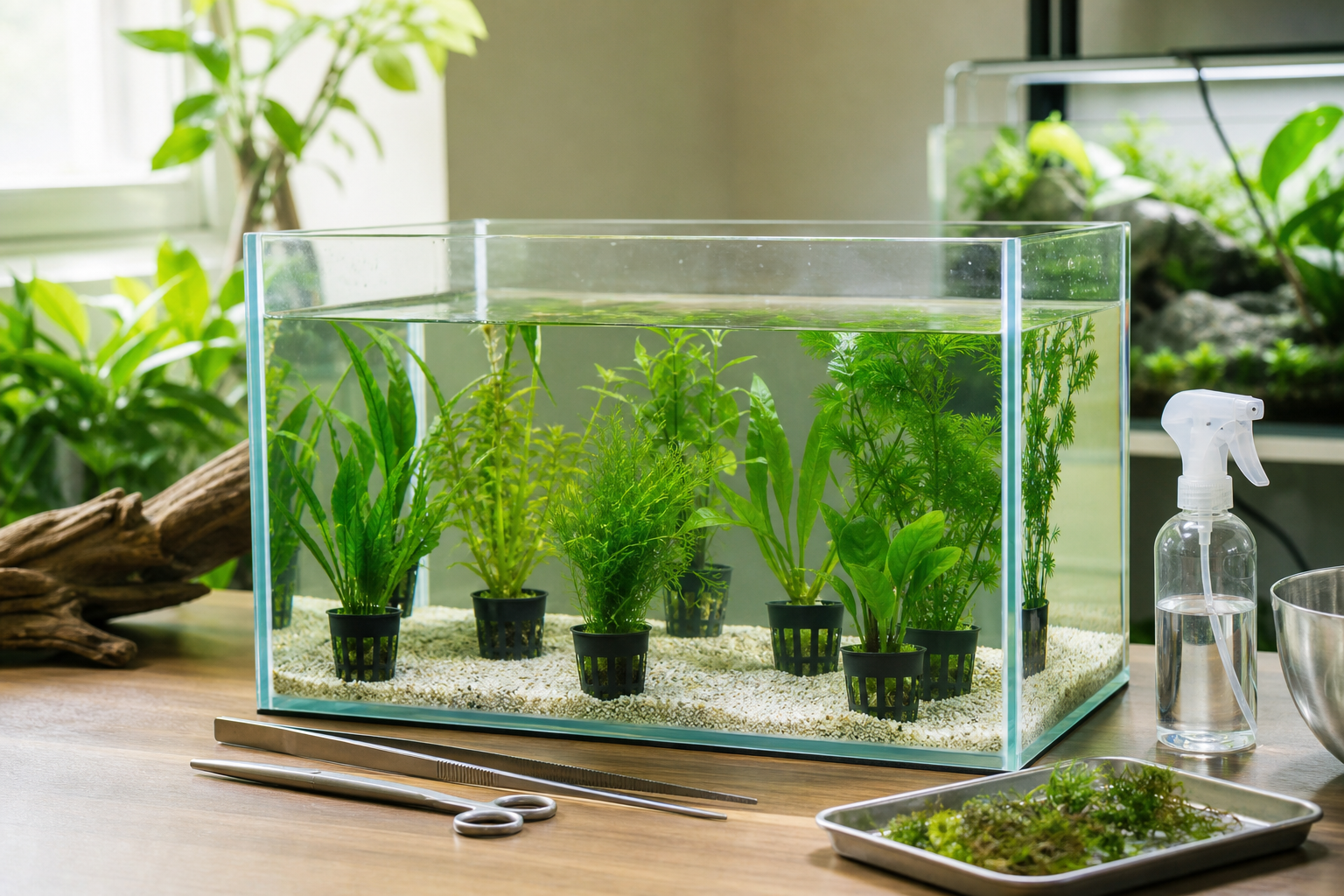
Bringing home new aquarium plants is exciting, but adding them straight into your tank can sometimes introduce unwanted hitchhikers or contaminants. Snails, algae spores, pest eggs, and leftover residues from plant nurseries can all cause problems in an established aquarium. A simple quarantine routine helps protect your fish, shrimp, and existing plants while giving new arrivals time to adjust.
If you are new to planted tanks, quarantine may sound complicated, but it can be done with a small container, good observation, and a bit of patience. This guide explains why plant quarantine matters, what supplies you need, and how to do it safely step by step.
Why quarantine aquarium plants?
Plant quarantine is a short period of isolation before new plants enter your main aquarium. The goal is to monitor the plants and reduce the chance of introducing common problems.
- Hidden snails or snail eggs
- Algae attached to leaves, stems, or roots
- Small pests that can damage plants
- Residues from fertilizers or growing methods used outside your tank
- Damaged or melting leaves that should be trimmed before planting
Even healthy-looking plants can carry things you do not notice at first glance. Quarantine gives you time to inspect and clean them more thoroughly.
Do all aquarium plants need quarantine?
In practice, quarantining all new plants is a good habit, especially if you keep sensitive fish, shrimp, or a carefully balanced planted aquarium. It is particularly useful when plants come from open display tanks, mixed holding systems, or unidentified sources.
Some tissue culture plants are often considered lower risk because they are typically sold in sealed containers and grown in sterile conditions. Even so, it still helps to inspect them, rinse them well, and observe them before planting, especially if you are trying to keep a tank free of pests and algae.
What you need for a simple plant quarantine setup
You do not need a full second aquarium to quarantine plants. A basic temporary setup is often enough.
- A clean bucket, tub, or small spare tank
- Dechlorinated water
- A light source suitable for aquarium plants
- A small heater if your room is cold or your plants are tropical species
- Gentle water movement if possible, such as a small air stone or sponge filter
- Clean scissors for trimming damaged leaves
- Plant tweezers or your hands for handling
The container should be used only for aquarium-safe purposes and should not contain soap, chemical, or cleaning-product residue.
Step-by-step: how to quarantine new aquarium plants
1. Unpack and inspect the plants carefully
Start by removing any wrapping, rock wool, lead weights, elastic bands, or pots. Check the leaves, stems, roots, and rhizomes closely. Look for:
- Brown, melting, or transparent leaves
- Black beard algae, hair algae, or fuzzy growth
- Snails or gelatinous snail egg clusters
- Damaged roots or broken stems
- Insects or tiny moving pests
Trim away obviously dead or badly damaged plant material. This helps the plant recover and reduces decaying matter in quarantine.
2. Rinse the plants thoroughly
Rinse each plant in clean dechlorinated water. Gently swish the leaves and roots to dislodge debris, loose algae, or tiny hitchhikers. Be careful with delicate plants that bruise easily.
This step alone will not remove every risk, but it can significantly reduce what enters the quarantine container.
3. Decide whether to do a plant dip
Some aquarists use plant dips to help reduce pests or algae before quarantine. However, dips must be used carefully because not all plant species tolerate them well. Delicate mosses, fine-leaved stems, and certain sensitive plants may be damaged.
If you choose to use a dip, always follow reliable species-specific guidance for the dip type and concentration, and avoid guessing. If you are unsure, a rinse plus quarantine observation period is a safer option than using an aggressive dip incorrectly.
It is also wise to remember that a dip is not a substitute for quarantine. Observation still matters.
4. Place the plants in the quarantine container
Add the cleaned plants to your quarantine container filled with dechlorinated water. Arrange them so you can see each plant clearly. Do not overcrowd the container if possible, because crowded plants are harder to inspect and may trap debris.
Provide moderate light and stable conditions. You do not need a perfect display setup, but the plants should have enough support to stay alive and show whether they are healthy.
5. Observe the plants for 1 to 2 weeks
A quarantine period of around 1 to 2 weeks is a practical minimum for many hobbyists. During this time, check the plants daily or every few days.
- Look for new snails or egg clusters
- Watch for algae growth becoming more visible
- Remove dying leaves promptly
- Check whether stems are rotting or roots are falling apart
- Confirm that healthy new growth is appearing where possible
If you notice problems, extend the quarantine rather than moving the plants into the main tank too quickly.
6. Change water regularly
Perform partial water changes every few days or as needed if the water becomes cloudy or full of plant debris. Clean water helps you inspect the plants better and reduces the chance of decaying material affecting plant health.
If you are quarantining many plants together, more frequent water changes may be useful.
7. Reinspect before planting
Before transferring the plants to your aquarium, inspect them one more time. Remove any damaged leaves, visible snails, or suspicious growth. If the plants look stable and clean, they are ready for planting.
Common mistakes to avoid
Skipping quarantine because the plants look clean
Many pests and algae are easy to miss at first. A clean appearance does not guarantee a clean plant.
Using untreated tap water
If your tap water contains chlorine or chloramine, always dechlorinate it before using it for plant holding.
Giving too little light
Plants kept in dim conditions for too long may weaken, melt, or rot, making it harder to tell whether the original plant was healthy.
Using harsh dips without research
A strong or unsuitable dip can damage plants more than the original problem would have. When uncertain, choose observation and gentle cleaning.
Ignoring plant melt
Some plants naturally lose older leaves after moving to a new environment, especially when grown emersed and then submerged. Remove melting leaves and monitor for healthy new growth rather than assuming the entire plant is lost.
What to do if you find snails or algae
If you find a few snails, you can remove them manually and continue quarantine. If snail eggs appear, scrape them off and keep observing. If algae is present, isolate the affected plant longer, remove badly affected leaves, and make sure the quarantine setup is not receiving excessive light.
For severe infestations, it may be better to discard heavily affected plant portions rather than risk introducing a lasting problem into your display aquarium.
Is plant quarantine worth it for beginners?
Yes. In fact, beginners often benefit the most because it is easier to prevent a pest or algae issue than to remove one from a fully stocked aquarium later. A small amount of patience at the start can save a lot of frustration.
Quarantine also gives you a chance to learn how different plants look when healthy, how roots and leaves should feel, and which parts need trimming before planting.
A simple routine for safer planted tanks
Quarantining aquarium plants does not need to be expensive or difficult. A rinse, careful inspection, a basic holding container, and one to two weeks of observation can greatly reduce the chance of unwanted surprises in your aquarium. For keepers with multiple tanks or frequent plant purchases, having a consistent routine makes plant care much easier to manage.
If you like to stay organized with aquarium maintenance and pet care tasks, keeping notes on plant purchase dates, quarantine periods, and tank additions in a digital organizer such as PLM Pet Life Manager can help you maintain a clearer routine over time.
https://plm-pet-organiser.com/