Maine Coon Health Risks: What Owners Should Watch For and How to Support Preventive Care
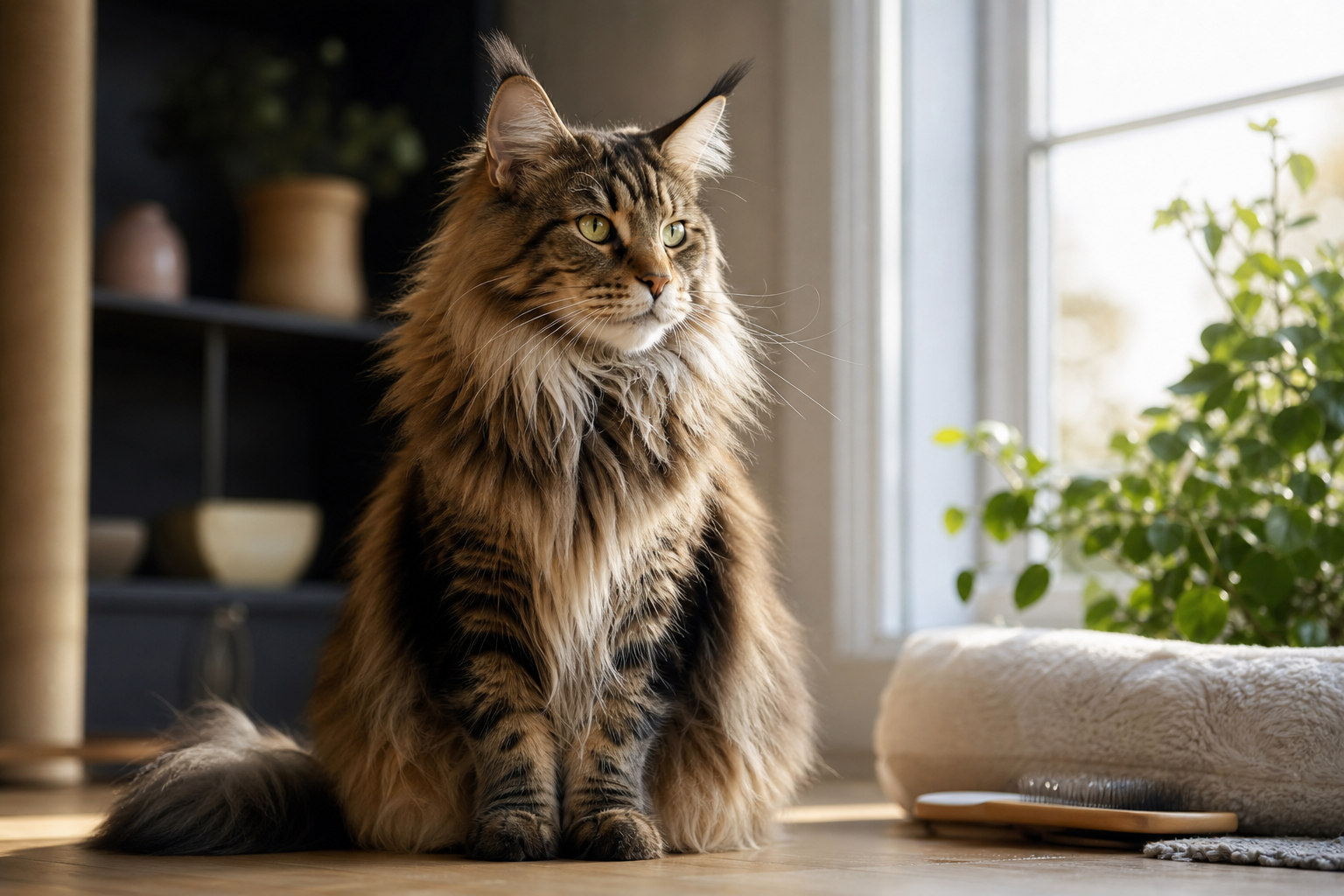
Maine Coons are admired for their large size, gentle nature, and striking appearance, but like many purebred cats, they can have certain inherited or breed-associated health risks. That does not mean every Maine Coon will become ill. It does mean owners should understand the common concerns, know what changes to watch for, and build good preventive care habits from an early age.
This guide explains the main health risks often discussed in Maine Coons, how they may affect daily life, and what practical steps owners can take to support long-term wellbeing. It is general educational information, not a diagnosis. If you notice worrying signs in your cat, a veterinarian is the right person to assess them.
Why breed health awareness matters
Breed tendencies can help owners ask better questions and notice possible problems earlier. With Maine Coons, awareness is especially helpful because some concerns may develop gradually and can be easy to miss at first. A cat may still seem calm, affectionate, and interested in food while subtle changes are happening.
Preventive care does not guarantee that a disease can be avoided, but it can help owners respond faster and support better daily management. Simple routines such as weight checks, mobility observation, and keeping veterinary records organized can make a real difference.
Common Maine Coon health risks
Hypertrophic cardiomyopathy
Hypertrophic cardiomyopathy, often shortened to HCM, is one of the best-known health concerns associated with Maine Coons. It is a heart condition involving thickening of the heart muscle. Some cats show no obvious signs in the early stages, which is one reason routine veterinary care is so important.
Possible warning signs can include reduced activity, faster breathing at rest, breathing difficulty, weakness, or sudden collapse. These signs can also happen with other serious problems, so they should always be treated as a reason for prompt veterinary attention.
Owners should not try to assess heart disease at home, but they can help by monitoring their cat’s normal breathing, activity level, and tolerance for play. Breeding history and health screening discussions are also important when choosing a kitten.
Hip dysplasia
Because Maine Coons are large and heavy cats, hip dysplasia is another breed-associated concern. This condition affects the way the hip joint fits and moves. In some cats it may cause little obvious trouble, while in others it can contribute to stiffness, discomfort, or reduced jumping ability.
Signs that may deserve attention include hesitation before jumping, difficulty climbing stairs, a change in gait, irritability when handled around the back end, or reduced interest in active play. These signs are not specific to hip dysplasia, but they do justify a veterinary check.
Keeping a Maine Coon at a healthy weight is one of the most practical ways to reduce extra strain on the joints.
Spinal muscular atrophy
Spinal muscular atrophy, or SMA, is an inherited condition seen in some Maine Coons. It affects the muscles and movement rather than the cat’s intelligence or personality. Cats with SMA may show muscle weakness, an unusual posture, or difficulty with jumping and balance.
This is a condition linked to genetics, so responsible breeding practices matter. If you are looking for a Maine Coon kitten, asking breeders about health testing is a sensible step. If you already have a cat and notice mobility differences, a veterinarian can help determine whether the cause may be orthopedic, neurologic, or something else.
Obesity and weight-related strain
Maine Coons are naturally large, but large is not the same as overweight. Their size can make excess body fat harder for some owners to recognize. Overweight cats may face more stress on the joints, lower activity, grooming difficulties, and a greater risk of other health complications.
A healthy body condition is easier to maintain than to regain. Portion awareness, measured feeding, regular play, and monitoring body shape over time are all useful habits.
Dental disease
Dental problems are common in cats generally and should not be overlooked in Maine Coons. Bad breath, drooling, chewing on one side, reluctance to eat dry food, or pawing at the mouth can all suggest oral discomfort. Dental disease can affect appetite and overall comfort, especially if it progresses unnoticed.
Routine vet checks and home dental care, when introduced gently and safely, can help support oral health.
How to monitor your Maine Coon at home
Home observation is not a substitute for professional care, but it is one of the best ways to notice change early. Maine Coons often hide discomfort well, so consistent observation matters more than occasional guesses.
Watch for changes in movement
- Reluctance to jump onto favorite surfaces
- Stiffness after rest
- Difficulty using stairs
- A less fluid walk or unusual posture
- Reduced play or climbing
Notice breathing and energy levels
- Breathing that seems faster than usual at rest
- Open-mouth breathing, which needs urgent attention
- Tiring more quickly during play
- Sleeping much more than usual with less interest in interaction
Track appetite, grooming, and litter box habits
- Eating less or dropping food
- Weight gain or unexplained weight loss
- Poor coat care or mats forming more easily
- Changes in urination or bowel habits
Small changes may not mean serious disease, but patterns are important. If a change continues, worsens, or appears alongside other symptoms, contact your vet.
Practical preventive care steps
1. Choose a responsible breeder or ask about background information
If you are acquiring a Maine Coon kitten, ask about health screening in the breeding line and whether the breeder discusses inherited conditions openly. Honest health conversations are a good sign. If you adopt through rescue, ask what is known about the cat’s history and current health.
2. Schedule regular veterinary checkups
Routine examinations give your veterinarian the chance to listen to the heart, assess body condition, evaluate joints, and discuss any changes you have noticed at home. Senior Maine Coons may benefit from more frequent monitoring because age can increase the chance of developing chronic issues.
3. Keep body weight under control
Measure food rather than estimating. Treats should stay moderate, and daily play should be encouraged. Feather toys, puzzle feeders, and climbing opportunities can help keep a large cat active indoors.
4. Support joint-friendly living
Provide sturdy, easy-to-access resting places. If your cat seems less comfortable jumping, use steps or lower platforms instead of forcing access to tall surfaces. Large litter boxes with easy entry can also help cats with mobility limitations.
5. Build a dental care routine
If your veterinarian agrees, gradual toothbrushing with cat-safe products can be part of home care. Never use human toothpaste. Even if toothbrushing is not possible, regular oral checks by a veterinarian are valuable.
6. Keep health records organized
It helps to record weight, appetite changes, mobility concerns, dental notes, and vet appointments over time. This is especially useful for conditions that develop gradually. A digital tool such as PLM Pet Life Manager can help owners keep those observations and care reminders in one place.
Common mistakes owners make
- Assuming a big cat is automatically at a healthy weight
- Waiting for severe symptoms before arranging a vet visit
- Missing gradual mobility changes because the cat is still affectionate and eating
- Buying from breeders without asking about inherited health concerns
- Ignoring dental care until the cat shows obvious pain
When to contact a veterinarian promptly
Seek veterinary advice promptly if your Maine Coon has breathing difficulty, collapse, sudden weakness, major mobility changes, signs of pain, a marked drop in appetite, or a sudden behavior change. These signs do not confirm a specific condition, but they should not be monitored at home for too long without guidance.
Final thoughts
Maine Coons can be wonderful companions, and many live happy lives with thoughtful care. The key is not to be fearful, but to stay informed. Knowing the better-known risks such as HCM, hip dysplasia, spinal muscular atrophy, obesity, and dental disease helps you notice early changes and create a more supportive daily routine.
Regular checkups, healthy weight management, practical home adaptations, and organized health records can all contribute to better preventive care. With a breed as large and distinctive as the Maine Coon, careful observation and consistency are some of the most useful tools an owner has.
https://plm-pet-organiser.com/